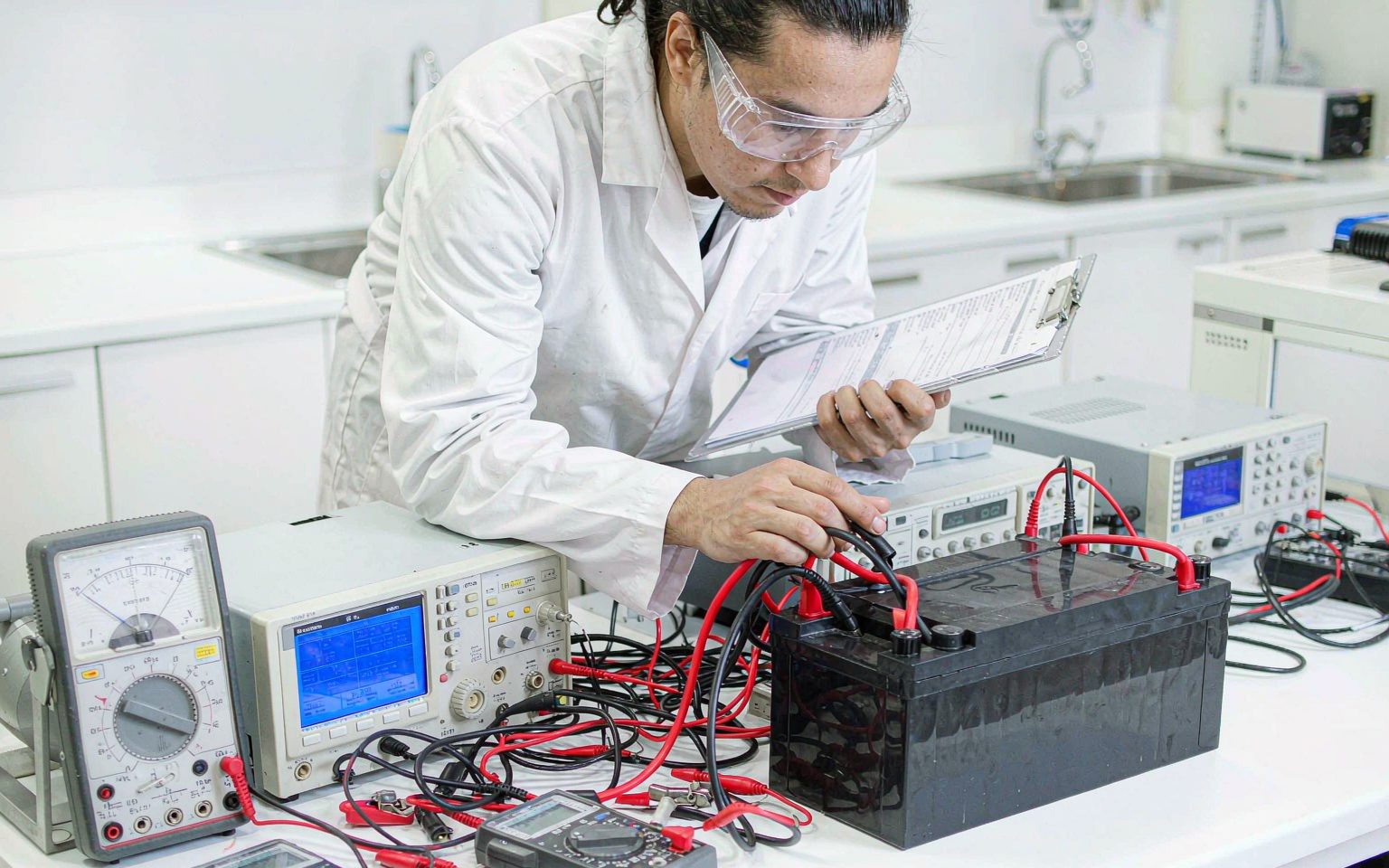
If you’re building an RV brand, a solar distributorship or an energy-storage product line, the factory you pick matters more than the spec sheet you put in your catalog. Two batteries with identical “314Ah, Grade-A cells, 100A BMS” labels can behave completely differently after eighteen months in the field.
This checklist comes from the factory side of the table — the ten questions serious buyers ask us (and the ones that should worry you when a supplier dodges them).
Any supplier can paste certification logos on a quotation. Ask for the specific certificate PDF with the model number that matches your battery:
Check the certificate’s date and test lab. A 2018 UN 38.3 report for a different cell model is not your certificate.

This is the single biggest hidden variable. Ask directly: which cell brand and which grade?
Also ask whether the factory is a cell manufacturer or a pack assembler. Both are legitimate business models, but an assembler who won’t disclose their cell supplier is a red flag. We publish our cell sourcing openly because OEM buyers verify it anyway — see the technology page.
The BMS decides whether your battery survives over-discharge, short circuits and heat. Ask:
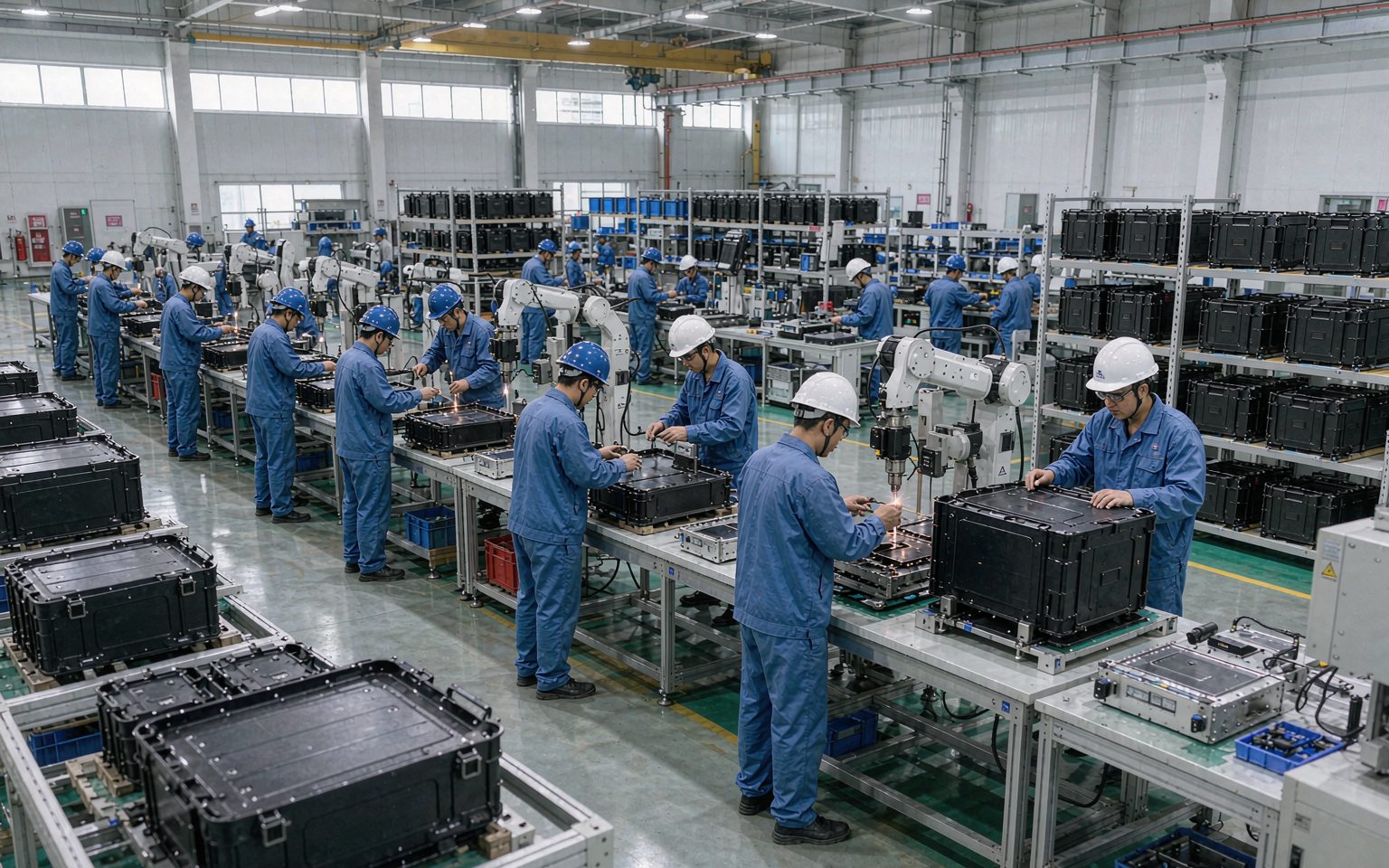
You don’t need to fly to Guangdong to verify a supplier. Ask for a live video factory tour: production line, welding station, aging test area, QC lab. Serious factories say yes within a day. A 45-minute tour tells you more than 45 pages of marketing PDFs — and it’s exactly what our factory page invites buyers to do.
Not every buyer needs a 10,000-unit run. Realistic tiers in this industry:
Beware factories that quote an aggressive unit price but demand full container quantities upfront — that’s a cash-flow trap, not a partnership.
Order samples before any volume commitment. Good factories: charge for samples but deduct the sample cost from your first bulk order, and ship samples in 7–15 days. Test them for real: full discharge cycles, temperature cycling, and at least 30 days of use — not just a voltage check on arrival.
Ask what percentage of finished packs are tested. The honest answer you want is 100% end-of-line testing: capacity verification, internal resistance, leak and vibration checks, and aging before shipment. “Spot-check QC” means some fraction of your order ships untested.
For OEM/ODM work, your day-to-day contact matters as much as the factory. Test it early: send a technical question (e.g., “can the BMS communication protocol match my inverter?”) and see whether you get a real engineering answer or a sales brochure. Fast, specific answers now predict fast, specific support after the PO.
A “5-year warranty” is only words unless you ask: Who pays return freight? Is it replacement or repair? What voids it (depth of discharge? temperature exposure?)? Is there a local repair point or does everything ship back to China? Get the warranty process in writing before signing.
For label-and-logo OEM work, 50–200 units is common and reasonable. Full ODM (custom housing, BMS firmware, connectors) usually starts around 500 units, because tooling and engineering time must be amortized. We regularly run small-batch OEM projects for new brands building their first product line.
Typical timeline: 7–15 days for samples, 25–40 days for a first production order including incoming cell inspection and 100% end-of-line testing. Repeat orders run faster because materials are already qualified.
Cell manufacturers sell cells, not finished batteries with BMS and enclosure. For finished RV/solar/storage products you need a pack factory — what matters is their cell sourcing transparency and pack quality control, not whether they also grow cells.
Ask for the certificate PDF, check the issuing lab’s website verification portal (TÜV, SGS and Intertek all have one), and confirm the tested model matches your battery model. Takes ten minutes and filters out most certificate-borrowing.
Choosing a LiFePO4 manufacturer is a verification exercise, not a price negotiation. Work through these ten points with every shortlisted supplier and the differences become obvious within a week.
BatteryMora is a pack factory in Guzhen, Zhongshan, Guangdong — the lighting and energy capital of China — building 12.8V 200Ah to 942Ah LiFePO4 batteries and portable power stations with Grade-A cells, 100% end-of-line testing and 5-year warranties. Browse the product catalog, see what we build on the factory page, or send your OEM requirements for a quote with honest MOQs.
Fill in the form and our sales team will reply with a quote.